


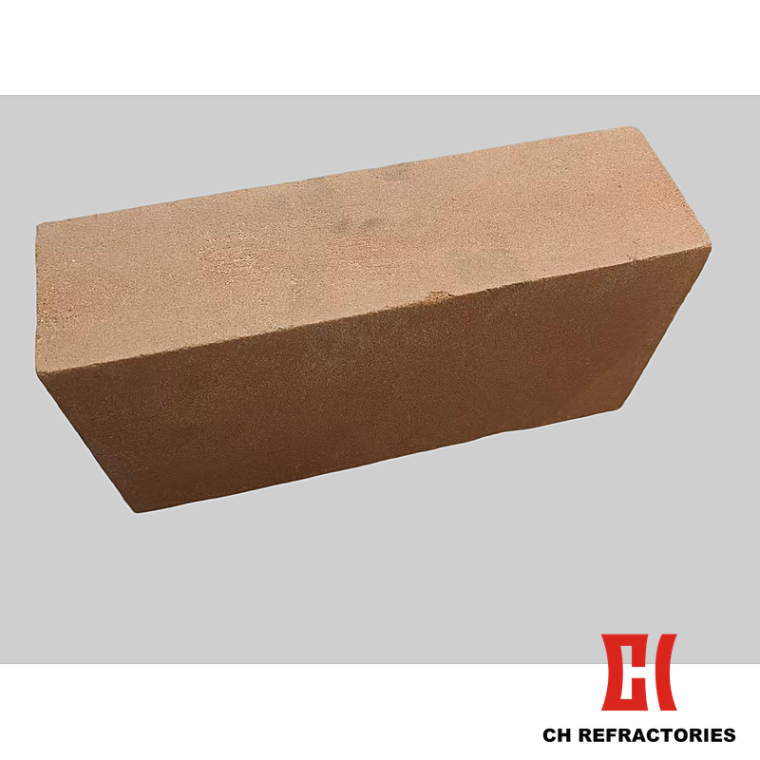
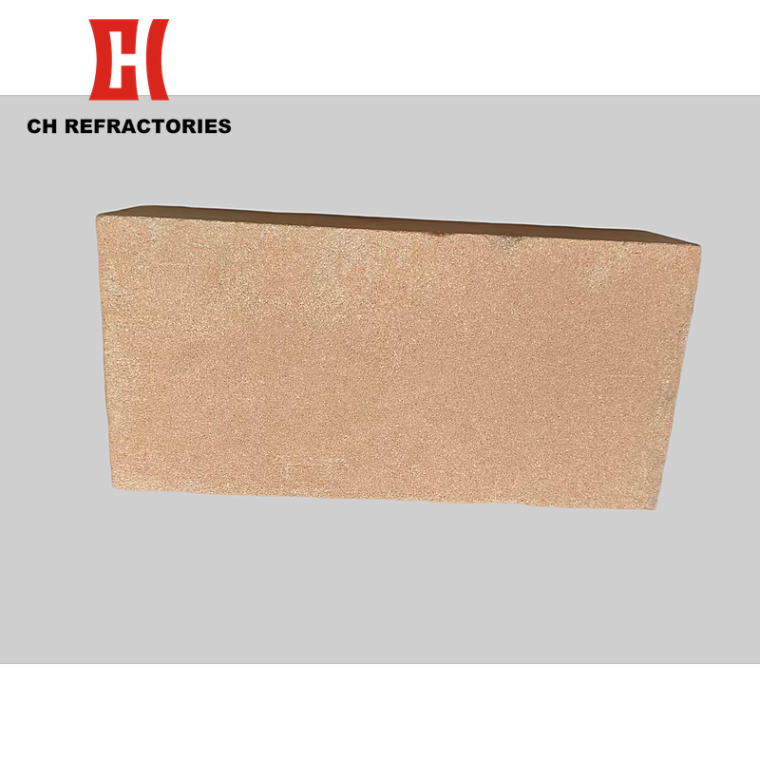
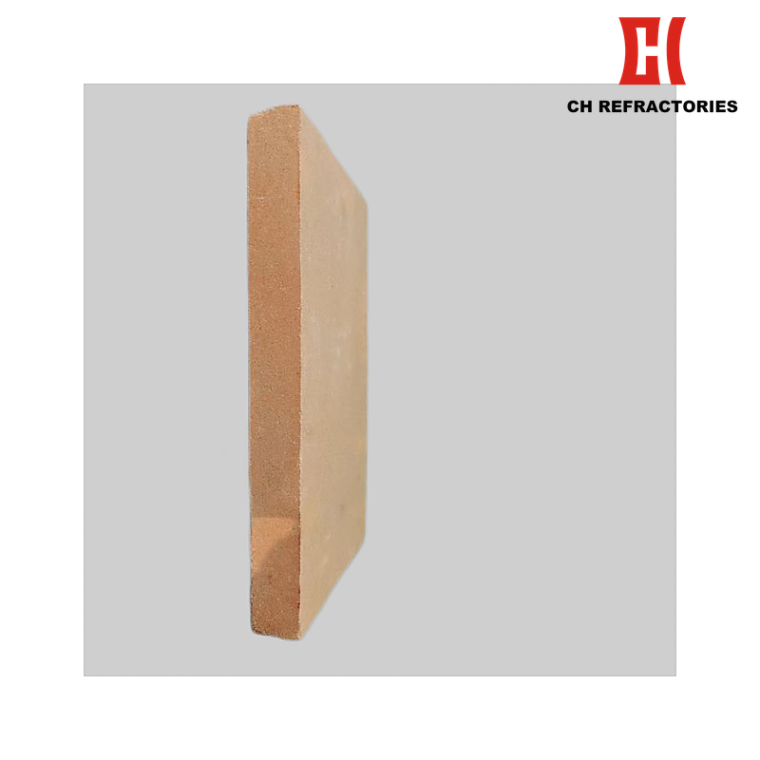
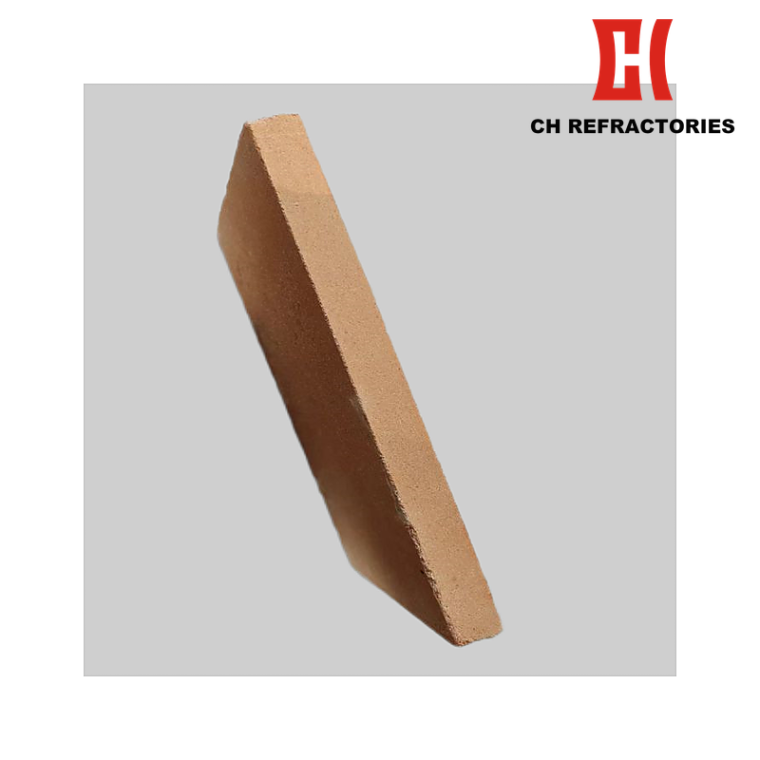
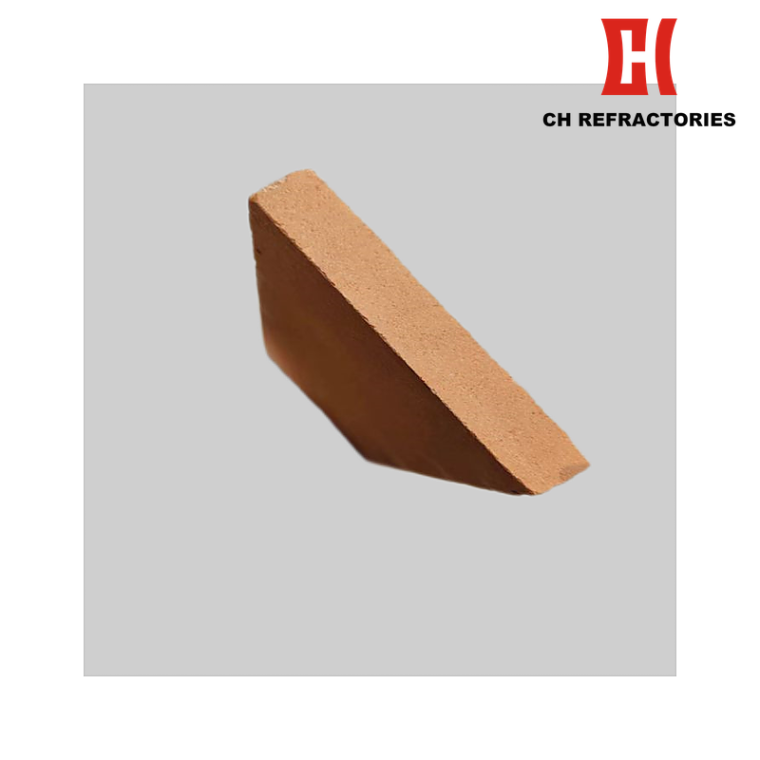
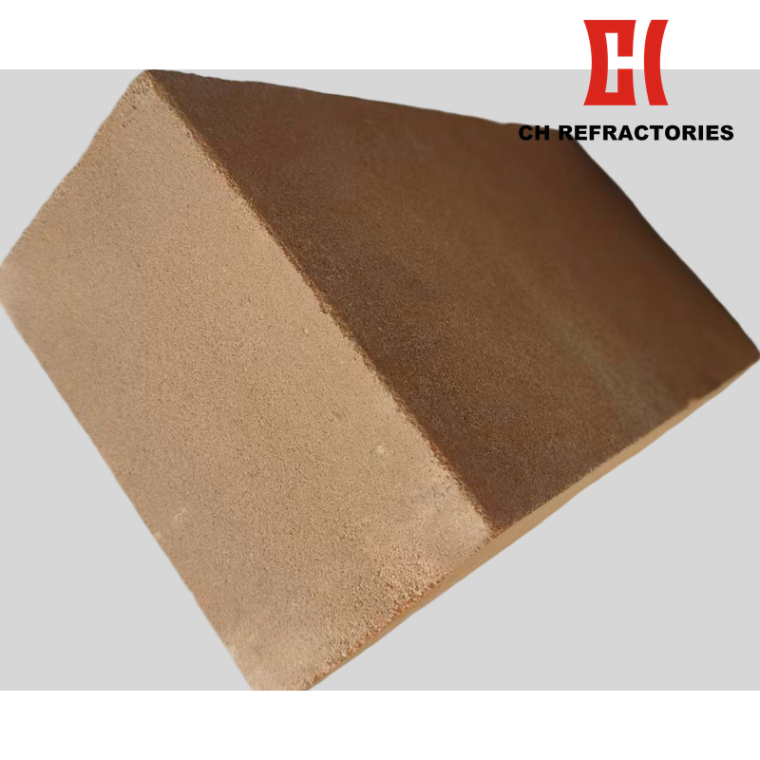
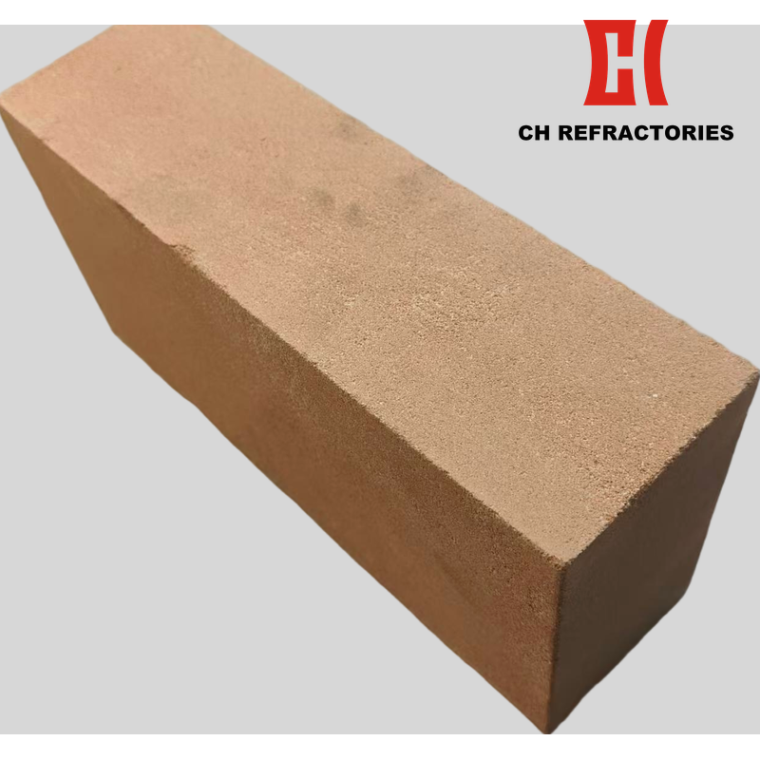
Clay insulating brick
Application Industry: Common Refractory Materials
Application Equipment: Masonry Industrial Furnaces and Other Thermal Furnaces and Equipment Insulation and Furnace Lining
Size: Custom clay insulating brick geometry per industrial furnace design (free engineering on request)
Products Overview
Our Clay insulating brick is a high-performance refractory product engineered for masonry industrial furnaces and other thermal furnaces and equipment insulation and furnace lining service. The clay heat-insulating bricks made by advanced and unique technology have the characteristics of high compressive strength and good thermal shock resistance. After use, the hot melt amount of the furnace wall can be reduced and the thermal efficiency of the furnace can be improved. Used in the insulation of masonry industrial furnaces and other thermal furnaces and other thermal equipment and furnace lining.
The Clay insulating brick product family is offered in four engineering-proven NG chemistry grades. The NG-0.5 grade features Bulk Density minimum 0.5 g/cm3 for general industrial furnace insulation service, with Cold Crushing Strength minimum 1.5 MPa, Reheating Line Change maximum 2.5 percent after 1250 °C drying for 3 hours, Thermal Conductivity maximum 0.18 W/m.k at average 350 °C, Load Softening Temperature minimum 1160 °C at 0.1 MPa, Fe2O3 content maximum 2.5 percent, and Maximum Service Temperature 1150 °C. The NG-0.6 grade features Bulk Density minimum 0.6 g/cm3 for higher-demand industrial furnace insulation service, with Cold Crushing Strength minimum 2.0 MPa, Reheating Line Change maximum 2.5 percent after 1300 °C drying for 3 hours, Thermal Conductivity maximum 0.25 W/m.k at average 350 °C, Load Softening Temperature minimum 1250 °C at 0.1 MPa, Fe2O3 content maximum 2.5 percent, and Maximum Service Temperature 1200 °C. The NG-0.8 grade features Bulk Density minimum 0.8 g/cm3 for high-demand industrial furnace insulation service, with Cold Crushing Strength minimum 2.5 MPa, Reheating Line Change maximum 2.5 percent after 1350 °C drying for 3 hours, Thermal Conductivity maximum 0.35 W/m.k at average 350 °C, Load Softening Temperature minimum 1280 °C at 0.1 MPa, Fe2O3 content maximum 2.0 percent, and Maximum Service Temperature 1280 °C. The NG-1.0 grade features Bulk Density minimum 1.0 g/cm3 for highest-demand industrial furnace insulation service, with Cold Crushing Strength minimum 3.4 MPa, Reheating Line Change maximum 2.5 percent after 1350 °C drying for 3 hours, Thermal Conductivity maximum 0.50 W/m.k at average 350 °C, Load Softening Temperature minimum 1300 °C at 0.1 MPa, Fe2O3 content maximum 2.0 percent, and Maximum Service Temperature 1300 °C.
Sourced from our Xinmi City, Zhengzhou, Henan, China facility, each Clay insulating brick grade is engineered to ASTM, GB/T, and ISO refractory standards. For an overview of the broader catalogue, see the Common Refractory Materials category, or contact our technical sales team for a free consultation against your refractory drawing.
Product Features
Features:
- Manufactured by Zhengzhou caihua with advanced and unique technology, with high compressive strength and good thermal shock resistance characteristics
- Engineering-proven after use, the hot melt amount of the furnace wall can be reduced and the thermal efficiency of the furnace can be improved
- Four NG chemistry grades covering Bulk Density 0.5-1.0 g/cm3 and Maximum Service Temperature 1150-1300 °C for matching different industrial furnace insulation service requirements
- Cold Crushing Strength minimum 1.5-3.4 MPa and Load Softening Temperature minimum 1160-1300 °C depending on grade for industrial furnace insulation service
- Fe2O3 content maximum 2.0-2.5 percent and Permanent Linear Change maximum 2.5 percent after 1250-1350 °C drying for 3 hours for industrial furnace insulation service
Product Specification
Clay insulating brick
The clay heat-insulating bricks made by advanced and unique technology have the characteristics of high compressive strength and good thermal shock resistance. After use, the hot melt amount of the furnace wall can be reduced and the thermal efficiency of the furnace can be improved. Used in the insulation of masonry industrial furnaces and other thermal furnaces and other thermal equipment and furnace lining.
| Brands / Items | NG-0.5 | NG-0.6 | NG-0.8 | NG-1.0 | |
|---|---|---|---|---|---|
| Bulk density (g/cm³) ≥ | 0.5 | 0.6 | 0.8 | 1 | |
| Compressive strength (MPa) ≥ | 1.5 | 2 | 2.5 | 3.4 | |
| The reheating line changes by no more than 2% of the test temperature (°C) ≤ | 1250 | 1300 | 1350 | 1350 | |
| Thermal conductivity average temperature 350±25°C (W/m.k) | 0.18 | 0.25 | 0.35 | 0.5 | |
| 0.1MPa load softening temperature (°C) ≥ | 1160 | 1250 | 1280 | 1300 | |
| Fe2O3 (%) | 2.5 | 2.5 | 2 | 2 | |
| Maximum use temperature (°C) | 1150 | 1200 | 1280 | 1300 | |
Note: Seven performance parameters specified per source image: Bulk density, Compressive strength, Reheating line changes test temperature, Thermal conductivity, Load softening temperature, Fe2O3, and Maximum use temperature. Four NG chemistry grades engineered for masonry industrial furnaces and other thermal equipment insulation and furnace lining service. For project-specific chemistry and grade, contact CH Refractories engineering.
Product Applications
Clay insulating brick is a high-performance refractory product engineered for masonry industrial furnaces and other thermal furnaces and equipment insulation and furnace lining service. The clay heat-insulating bricks made by advanced and unique technology have the characteristics of high compressive strength and good thermal shock resistance. After use, the hot melt amount of the furnace wall can be reduced and the thermal efficiency of the furnace can be improved. The clay insulating brick product family is used in the insulation of masonry industrial furnaces and other thermal furnaces and other thermal equipment and furnace lining, with stable quality and good engineering performance across the global common refractory materials value chain.
Application Industry: Common Refractory Materials.
Target Equipment: Masonry Industrial Furnaces and Other Thermal Furnaces and Equipment Insulation and Furnace Lining of small, medium-size, and large industrial operations across the global common refractory materials value chain.
Specific Application Zones: The NG-0.5 grade (Bulk Density minimum 0.5 g/cm3) is the standard variant engineered for general industrial furnace insulation service, with Cold Crushing Strength minimum 1.5 MPa, Thermal Conductivity maximum 0.18 W/m.k, Load Softening Temperature minimum 1160 °C, and Maximum Service Temperature 1150 °C. The NG-0.6 grade (Bulk Density minimum 0.6 g/cm3) is the higher-demand variant engineered for industrial furnace insulation service, with Cold Crushing Strength minimum 2.0 MPa, Thermal Conductivity maximum 0.25 W/m.k, Load Softening Temperature minimum 1250 °C, and Maximum Service Temperature 1200 °C. The NG-0.8 grade (Bulk Density minimum 0.8 g/cm3) is the high-demand variant engineered for industrial furnace insulation service, with Cold Crushing Strength minimum 2.5 MPa, Thermal Conductivity maximum 0.35 W/m.k, Load Softening Temperature minimum 1280 °C, and Maximum Service Temperature 1280 °C. The NG-1.0 grade (Bulk Density minimum 1.0 g/cm3) is the highest-demand variant engineered for industrial furnace insulation service, with Cold Crushing Strength minimum 3.4 MPa, Thermal Conductivity maximum 0.50 W/m.k, Load Softening Temperature minimum 1300 °C, and Maximum Service Temperature 1300 °C. All four grades deliver Fe2O3 content maximum 2.0-2.5 percent and Permanent Linear Change maximum 2.5 percent after 1250-1350 °C drying for 3 hours for masonry industrial furnace and other thermal furnace and equipment insulation and furnace lining service, with stable quality and good engineering performance across the global common refractory materials value chain.
CH Refractories is a Clay insulating brick manufacturer in China, Henan, Zhengzhou. The complete Clay insulating brick product family is manufactured in our Xinmi City, Zhengzhou, Henan, China facility to ASTM, GB/T, and ISO refractory standards. Each batch is supported by free consultation, on-site technical support, and a dedicated engineering team serving Common Refractory Materials customers across the global common refractory materials value chain.
Product FAQ
A1: Clay insulating brick is a high-performance refractory product engineered for masonry industrial furnaces and other thermal furnaces and equipment insulation and furnace lining service. The clay heat-insulating bricks made by advanced and unique technology have the characteristics of high compressive strength and good thermal shock resistance. After use, the hot melt amount of the furnace wall can be reduced and the thermal efficiency of the furnace can be improved. Used in the insulation of masonry industrial furnaces and other thermal furnaces and other thermal equipment and furnace lining.
A2: CH Refractories offers four engineering-proven NG chemistry grades of clay insulating brick. The NG-0.5 grade features Bulk Density minimum 0.5 g/cm3 for general industrial furnace insulation service. The NG-0.6 grade features Bulk Density minimum 0.6 g/cm3 for higher-demand industrial furnace insulation service. The NG-0.8 grade features Bulk Density minimum 0.8 g/cm3 for high-demand industrial furnace insulation service. The NG-1.0 grade features Bulk Density minimum 1.0 g/cm3 for highest-demand industrial furnace insulation service. All four grades are designed for masonry industrial furnace and other thermal furnace and equipment insulation and furnace lining service with high compressive strength and good thermal shock resistance.
A3: Clay insulating brick delivers Bulk Density minimum 0.5-1.0 g/cm3 depending on grade. Cold Crushing Strength is minimum 1.5-3.4 MPa depending on grade. Reheating Line Change is maximum 2.5 percent after 1250-1350 °C drying for 3 hours depending on grade. Thermal Conductivity is maximum 0.18-0.50 W/m.k at average 350 °C plus or minus 25 °C depending on grade. Load Softening Temperature is minimum 1160-1300 °C at 0.1 MPa depending on grade. Fe2O3 content is maximum 2.0-2.5 percent depending on grade. Maximum Service Temperature is 1150-1300 °C depending on grade. The clay insulating brick product family has high compressive strength and good thermal shock resistance for industrial furnace insulation service.
A4: Yes. CH Refractories offers custom chemistry, grade, and geometry optimization against the buyer's specific masonry industrial furnace and other thermal furnace and equipment insulation and furnace lining design and operating conditions. CH Refractories engineers can adjust raw material formulation, Fe2O3 content, and production process to meet specific industrial furnace insulation service temperature and operating conditions. Please send the industrial furnace drawing, lining design, furnace capacity, and operating temperature data to our engineering team in Xinmi City, Zhengzhou, Henan, China for a free consultation, on-site technical support, and a tailored clay insulating brick formulation proposal with optimized grade selection, raw material adjustment, and geometry design for your specific industrial furnace insulation service conditions.


